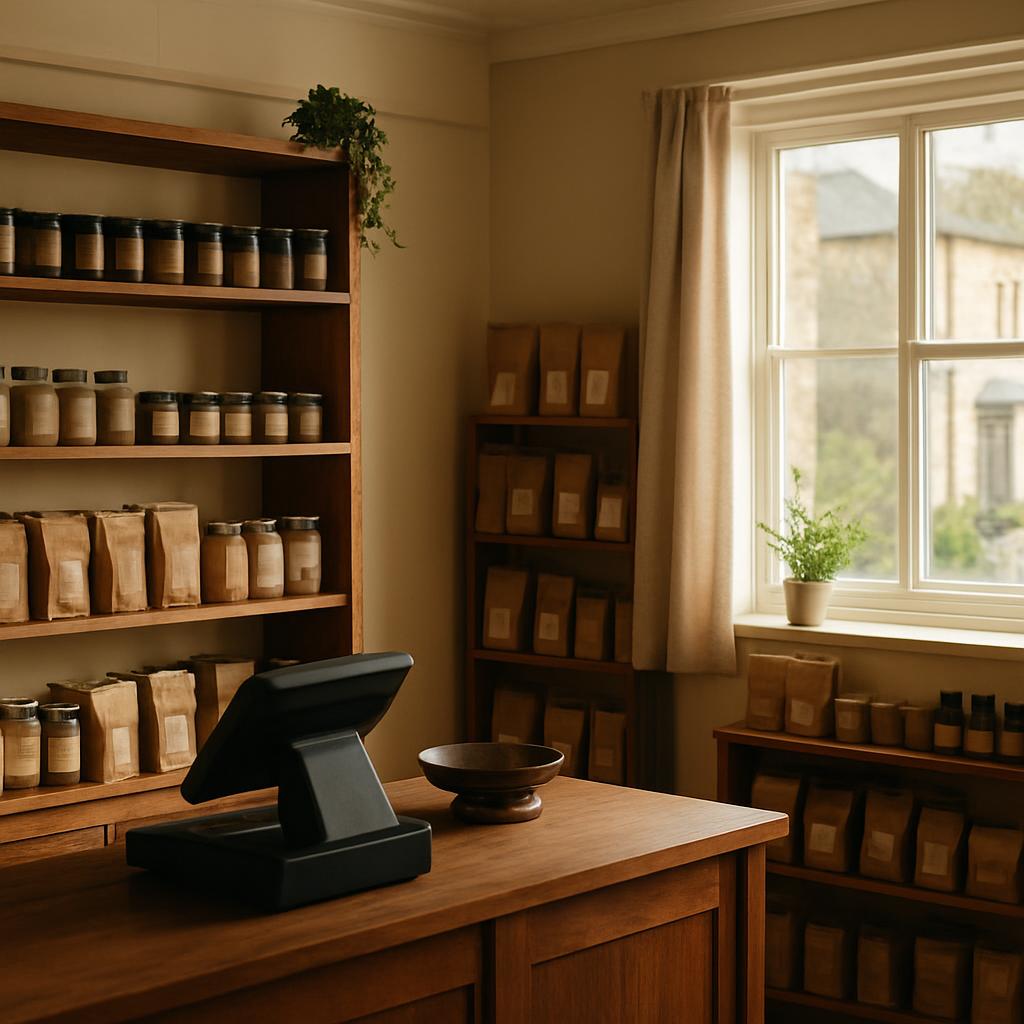
How Mythelmroyd Businesses Store Differently
Find Out More →Walk into The Mythelmroyd Inn on a Tuesday afternoon and you'll notice something: the pub's seasonal stock doesn't pile up in corners or overflow into the kitchen. It's stored properly, systematically, away from the building. That's not accident—it's how local businesses here have learned to operate in a place like Mythelmroyd, where space is tight, the valley's damp, and disruption to daily work needs avoiding. Most homeowners don't think about storage the same way. They shove things into sheds, lofts, or spare rooms and hope for the best. But the approach local businesses take—organised, separated, intentional—works just as well at home. If you're stuck on what to keep where and why, there's a lot to learn.
Why businesses separate storage from operations
The core difference is simple: local businesses can't afford clutter in their working space. When you run a farming operation or manage council services around Calderdale, you need room to move, think, and actually work. That's why they use self storage for seasonal kit, archived paperwork, stock rotations, and equipment they don't touch week-to-week.
At home, the same logic applies—but most people don't follow it. Instead, they keep 'just in case' items, out-of-season belongings, or things they might need someday crammed into living areas. A spare bed frame leans against your bedroom wall. Christmas decorations live in the hallway. Old books stack on shelves you could use for actual reading. None of it moves frequently, but all of it takes up space you could breathe in.
Businesses treat this differently. They ask: does this need to be here every day? If the answer's no, it goes into storage. It sounds obvious, but homeowners rarely apply it. Read more here about how to genuinely maximise what you store and where.
The inventory system businesses actually use
This is where it gets practical. Agricultural businesses storing equipment for spring planting or tools between seasons don't just dump things in a unit and forget. They know what's there, where it is, and when they'll need it. There's usually a list—sometimes handwritten, sometimes digital—and everything's labelled or grouped by purpose.
Most homeowners skip this step entirely. They rent a unit, move stuff in, close the door, and a year later can't remember what's actually in there. Then you end up replacing things you already own because you forgot you had them. It costs more, wastes storage space, and defeats the whole point.
The business approach is different: take five minutes when you load in. Note down what you're storing and where. Use clear boxes or bins you can see into. Label the outside. If you're storing things seasonally—Christmas stuff, gardening kit, winter clothes—make that clear too. It takes almost no time and saves you months of frustration. This guide covers common storage errors that could eat into your budget.
Knowing exactly what size you actually need
Businesses don't guess. They measure what they're storing, work out the rough volume, and book a unit that fits comfortably—not too tight, not massive with empty space. Guessing usually means renting too much space, paying for room you don't use, or worse, renting too little and having to upgrade mid-contract.
Before you book, be honest about what's going in. Pull out the items you plan to store. Don't estimate from memory—that never works. If it's furniture, measure it. If it's boxes, count them. Add a bit extra for breathing room and future needs, but not double the amount 'just to be safe.' That's where people's bills creep up. Understanding the costs involved makes it easier to budget properly without surprises.
Climate and condition matter more in Mythelmroyd
If you've watched the water levels rise during flooding, you know the Colden Valley doesn't play around with damp. Local businesses here are particularly careful about what conditions their stored items sit in. Equipment rusts. Paperwork swells and becomes unusable. Fabrics develop mildew. Climate-controlled storage isn't luxury—it's sense.
At home, you probably have things worth protecting: photo albums, important documents, sentimental items, tools you rely on. A damp shed or uninsulated loft isn't the right place for any of it. Self Storage Mythelmroyd units keep temperature and humidity stable, which means your belongings stay in the condition you left them. That matters more here than it would in drier parts of the country.
The real takeaway
Local businesses don't overthink storage, but they do think clearly about it. They're organised, intentional, and realistic about what goes where and why. Homeowners can copy that approach almost exactly: store only what you genuinely need elsewhere, know what's in there, measure before you book, and protect what matters.
When you're ready to apply those lessons properly, talk to Self Storage Mythelmroyd. They understand how storage works in this area—the space constraints, the damp, the seasonal needs. They can help you work out what you actually need instead of overselling you on unit size. That's what local knowledge looks like.
Looking for Self Storage near Mythelmroyd?
We have secure, flexible units available in the area. Get in touch with Self Storage Mythelmroyd today.
Find Out More →